Your internet goes down. Your store does not.
When your internet goes down, your customers still expect to check out.
A connectivity problem should not force you to stop sales, create manual tickets, or turn customers away.
SuperSonic Always-On POS keeps supported transactions moving at the register during an internet outage. Sales activity is securely stored and automatically synchronized when connectivity returns.
Your internet can stop. Your checkout keeps moving.
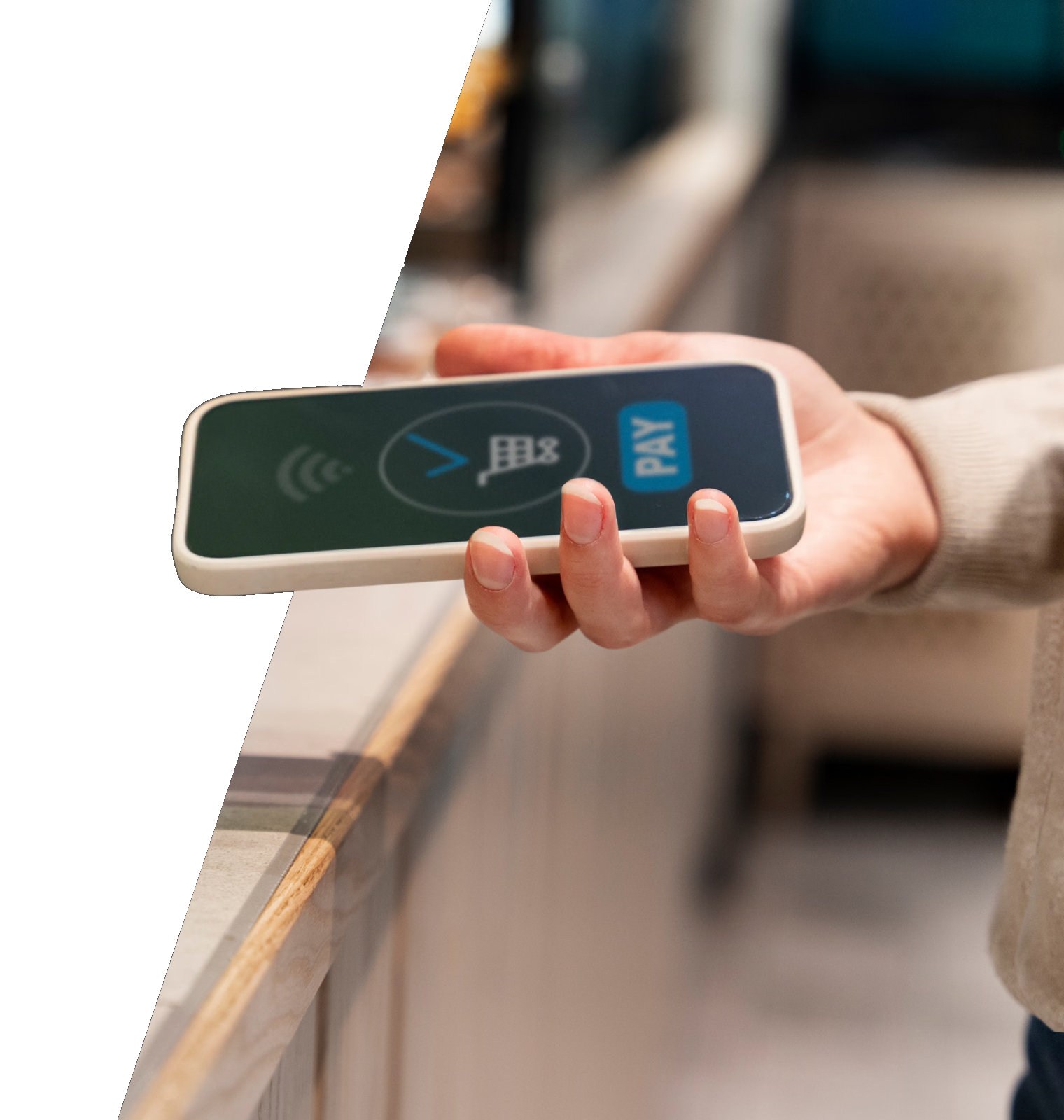
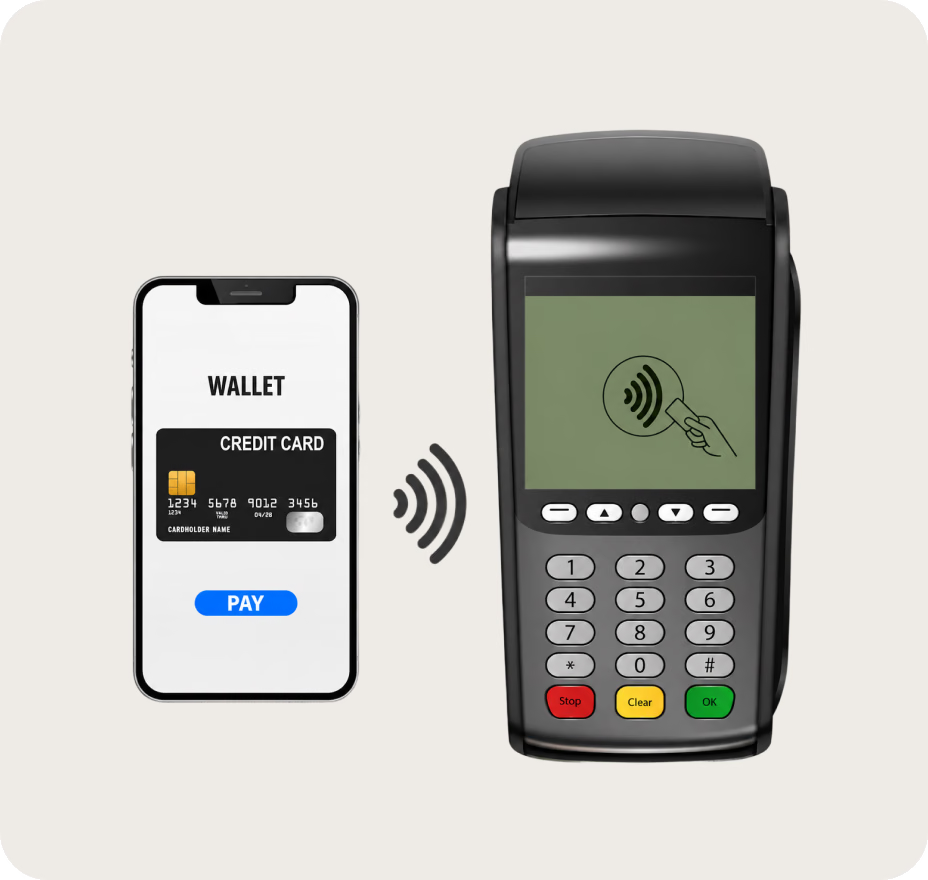
An internet outage should not shut down your store
Internet failures, service disruptions, and network interruptions happen. The costly part is what happens next.
When your POS stops working, lines grow, employees look for workarounds, and customers may leave without completing their purchases.
SuperSonic includes offline POS functionality and secure store-and-forward processing designed to keep your normal checkout workflow moving.
No shutdown screens. No handwritten transactions. No turning customers away unnecessarily.
Keep the line moving, even when the connection does not.
Keep core checkout functions available offline
Offline protection should work at the register, not depend entirely on an outside internet connection.
When connectivity is interrupted, SuperSonic can:


Your employees do not have to move to another system or relearn the checkout process during an outage.
The connection changes. The workflow does not.
Store transactions securely and sync them automatically
Taking sales offline only helps when the resulting transaction data remains organized.
SuperSonic securely stores supported transaction details during the outage and synchronizes them when the POS reconnects.
Once connectivity returns, sales data flows back into the connected system so reporting, transaction records, and inventory activity can reflect what happened while the store was offline.
Offline when necessary. Connected again automatically.
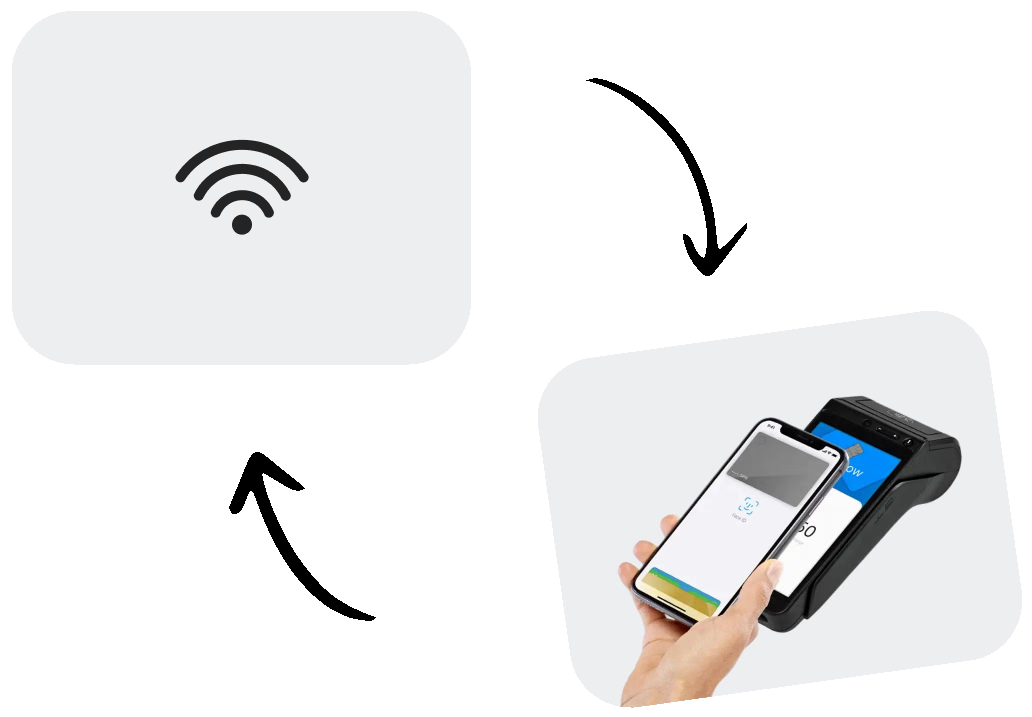
Add cellular backup for another layer of protection
Offline mode keeps core checkout functions available when the internet is unavailable. Cellular failover can reduce how often your store needs to operate without a live connection.
If the primary internet service fails, an optional cellular connection can activate as a secondary network path.
This helps supported systems maintain real-time connectivity while the main service is restored.
Offline POS protects the transaction.
Cellular backup protects the connection.
Together, they create a stronger continuity plan for your store.

Built for stores that can’t afford to stop selling
Some stores can wait for the internet to return. High-volume retailers cannot.
SuperSonic Always-On POS is built for environments such as:
When transaction volume is high and margins are tight, even a short interruption can affect sales and customer trust.
Extend offline protection across every register and location
Adding more registers or stores should not add more points of failure.
SuperSonic applies Always-On capabilities across supported devices and locations, helping your operation maintain:
- Offline transaction handling
- Secure transaction synchronization
- Connected reporting after reconnection
- Consistent checkout performance across lanes
One register or every store. Built to keep selling.
FAQs
Yes. An offline POS system can continue recording supported sales and performing core checkout functions when its internet connection is temporarily unavailable. SuperSonic Always-On POS stores transaction activity locally during the interruption and synchronizes the data when connectivity returns. The exact payment types and functions available offline may depend on the store’s configuration and payment processor.
During an offline card transaction, the POS securely stores the payment information and submits the transaction after internet service returns. Because the card issuer cannot fully approve or decline the payment while the system is offline, the transaction may still be declined later. Merchants should use appropriate offline transaction limits and risk controls based on their processor and operating policies.
Offline POS functionality allows the register to continue performing supported checkout functions without an active internet connection. Cellular failover provides a secondary LTE or 5G internet connection when the primary wired service fails. Offline mode protects the checkout workflow, while cellular failover attempts to restore live connectivity. Using both provides stronger protection than relying on either option alone.
Yes. SuperSonic stores supported transaction activity during the outage and synchronizes it after the system reconnects. This helps sales, inventory activity, and reporting reflect the transactions completed while the connection was unavailable. Synchronization timing and payment settlement can depend on the processor, connection status, and system configuration.

Ready to keep checkout moving through the next outage?
Your store should not lose sales because an internet provider, router, or local network stops working.
See how SuperSonic combines offline POS functionality, secure store-and-forward processing, automatic synchronization, and optional cellular backup to reduce checkout interruptions.
Protect the transaction. Protect the revenue. Keep the store moving.