SuperSonic vs. Lightspeed
Two powerful retail POS platforms, built for different priorities
Both SuperSonic POS and Lightspeed go beyond basic payment processing by offering inventory management, reporting, customer engagement, and cloud-based business tools.
The difference comes down to how those tools work together and the type of business experience you're looking for.
This comparison highlights the key differences so you can find the platform that best supports your day-to-day operations and future growth.

SuperSonic POS vs. Lightspeed: At a Glance
Cloud-connected retail POS with centralized back-office tools for sales, inventory, reporting and store operations.
Lightspeed Retail is a cloud-based POS with inventory, reporting, eCommerce, payments, supplier management, and multi-store tools.
SNAP/EBT processing is integrated into supported SuperSonic payment workflows.
Lightspeed Retail S-Series does not directly process EBT. External EBT can be recorded for reporting while the payment is processed through a separate terminal.
Supports integrated eWIC, OTC benefits, and managed-care benefit programs including NationsBenefits.
Integrated eWIC, OTC, and NationsBenefits processing was not identified in the current public Lightspeed Retail documentation reviewed.
POS-integrated loyalty supports customer enrollment, automatic rewards, real-time redemption, customer profiles, gift cards, and marketing tools.
Lightspeed offers retail loyalty and customer-engagement capabilities, with availability depending on the Retail product and plan.
Online ordering connects website and delivery orders with the POS, inventory, pricing, payments, and reporting.
Lightspeed connects in-store and online selling through eCommerce tools, marketplaces, and integrations.
Native loss-prevention tools connect transactions, exceptions, alerts, and camera-linked video for faster investigations.
Lightspeed integrates with Solink, which synchronizes POS transaction data with security video for transaction review and loss-prevention investigations.
Store & Forward keeps supported transactions moving during internet outages and syncs activity when connectivity returns.
Lightspeed Retail can continue supported sales offline, and Lightspeed Payments supports offline card payments on eligible terminals when offline payments are enabled.
SuperSonic Pay integrates payment processing and supported benefit-payment workflows with the POS platform.
Lightspeed Payments is integrated with Retail POS. Supported external payment methods may also be recorded depending on the merchant's setup.
Centralized cloud tools manage pricing, inventory visibility, permissions, reporting, and performance across locations.
Lightspeed supports centralized inventory, sales, customers, suppliers, reporting, and business management across multiple locations.
SuperSonic provides implementation assistance plus 24/7/365 U.S.-based customer support.
Lightspeed offers onboarding resources and 24/7 retail support.
Last reviewed August 18, 2026. Competitor information is based on publicly available product documentation, support resources, and official integration materials. Features may vary by plan, hardware, payment processor, integration, region, or configuration. Where a capability is described as not identified, it means it was not found in the public materials reviewed and does not necessarily mean it is unavailable. Third-party names and trademarks are the property of their respective owners. No affiliation or endorsement is implied.
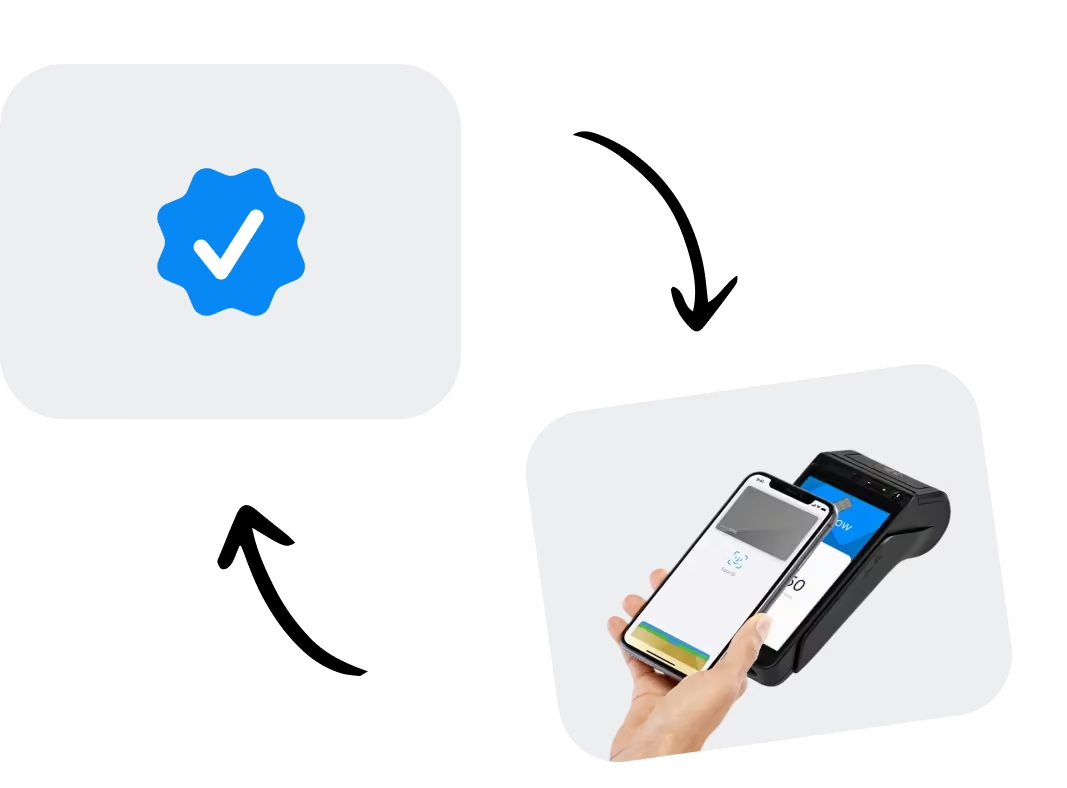
One connected platform
Running a business means managing more than transactions.
Payments, inventory, reporting, loyalty, online ordering, and customer data all play an important role in day-to-day operations.
SuperSonic brings those tools together in one connected platform, helping reduce complexity and making it easier to manage your business from one place.
For businesses that prefer fewer systems and more operational visibility, that connected experience can make a meaningful difference.
Accept more ways to pay
Every customer expects a fast, flexible checkout experience. SuperSonic supports a wide variety of payment methods, including:








Whether you're serving everyday shoppers or customers using government assistance programs, payment flexibility helps create a smoother experience at checkout.
More visibility into your business
As businesses grow, having access to better information becomes just as important as processing transactions. SuperSonic combines operational tools into one platform, including:


Instead of switching between multiple dashboards, everything stays connected in one place.

Protect your business every day
Business management isn't just about growing sales. It's also about protecting them.
SuperSonic includes Loss Prevention Analytics, allowing compatible security camera footage to be linked directly to POS transactions for faster investigations and improved accountability.
Combined with Store & Forward technology that keeps transactions moving during temporary internet outages, SuperSonic helps businesses stay productive while reducing operational risk.
Which platform fits your business?
Choose SuperSonic POS if you...
- You want one connected platform for payments, loyalty, reporting, inventory, and business management.
- You need specialized benefit payment acceptance.
- You want Loss Prevention Analytics built into your POS ecosystem.
- You value personalized onboarding and ongoing support.
Lightspeed may be the better fit if you...
- You want workflows tailored to specific retail or restaurant operations.
- Your business relies heavily on Lightspeed's ecosystem of products and integrations.
- You prioritize extensive retail-specific feature depth.
FAQs
Yes. SuperSonic POS can be a strong Lightspeed alternative for high-volume retailers that need more than advanced inventory and omnichannel selling. Lightspeed is particularly strong in inventory management, supplier purchasing, eCommerce, and multi-store retail. SuperSonic differentiates itself with directly integrated SNAP and EBT workflows, eWIC and OTC benefit support, retail EDI, native transaction-linked loss prevention, and retail-specific workflows for businesses such as convenience stores, groceries, liquor stores, and smoke and vape shops.
Lightspeed Retail POS does not currently process EBT cards directly. Lightspeed's own documentation says merchants who already process EBT through an external terminal can add “External EBT” as a tender in BackOffice, but that tender is for reporting and is not a direct EBT integration. SuperSonic directly supports SNAP and EBT within its payment ecosystem, along with eWIC, OTC benefits, and supported managed-care programs.
Both platforms offer advanced retail inventory management, but their strengths differ. Lightspeed is particularly strong in complex product catalogs, variants, serialized products, supplier purchasing, and multi-location inventory. SuperSonic combines real-time multi-store inventory with retail EDI, electronic purchase orders, automated reordering, receiving, invoice matching, and centralized vendor workflows. The better choice depends on whether your priority is broad specialty-retail inventory depth or tightly connected high-volume retail ordering and EDI workflows.
Yes, through an integration. Lightspeed integrates with Solink, which synchronizes Lightspeed POS transactions with security-camera footage so retailers can search transactions and review the corresponding video. SuperSonic provides camera-linked loss prevention within its own platform, connecting transactions, receipts, compatible footage, and intelligent alerts in one workflow.

Ready to compare for yourself?
Every business works differently, and the best POS is the one that fits the way you operate. Schedule a personalized demo to see how SuperSonic helps businesses simplify operations, improve visibility, and grow with confidence.