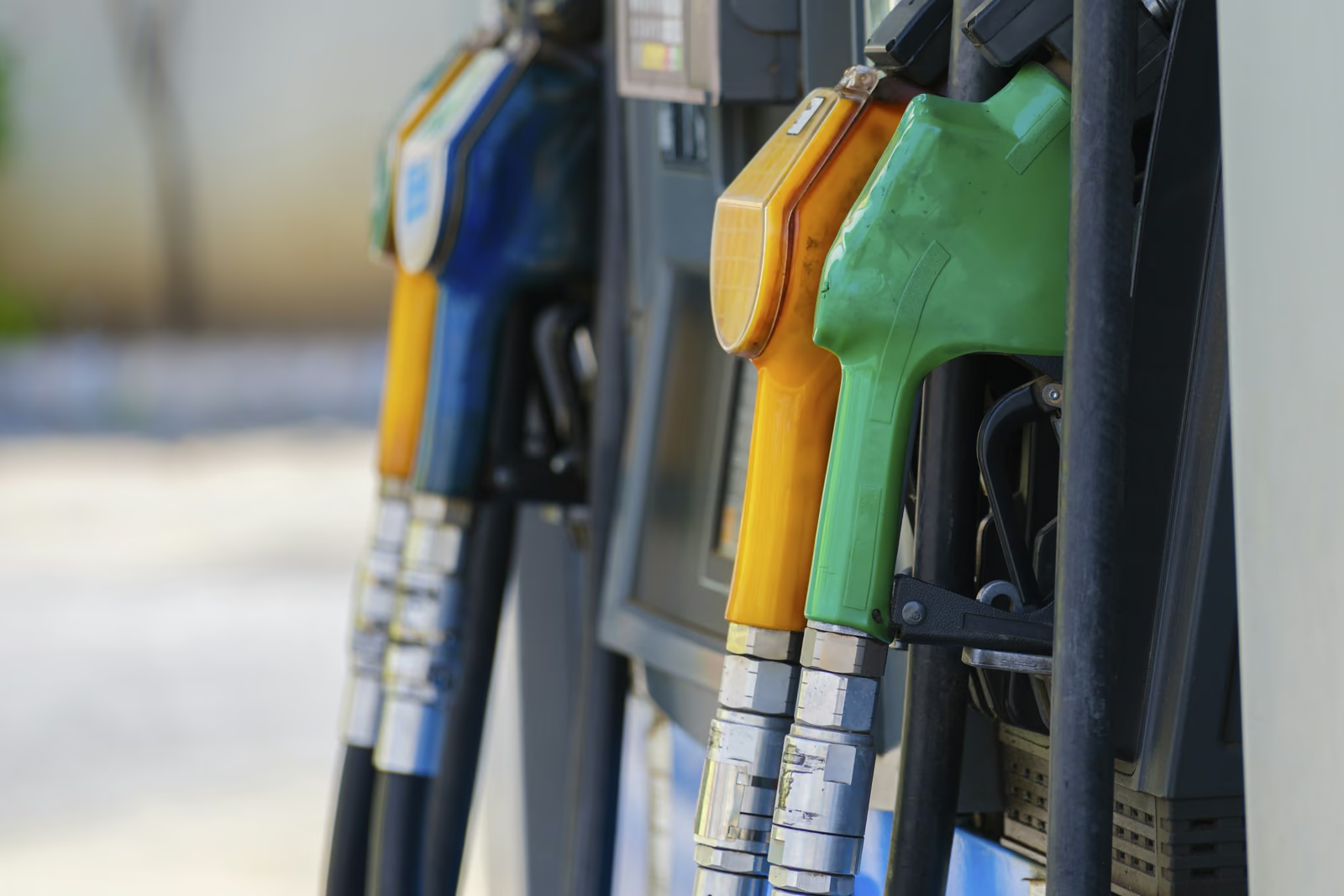
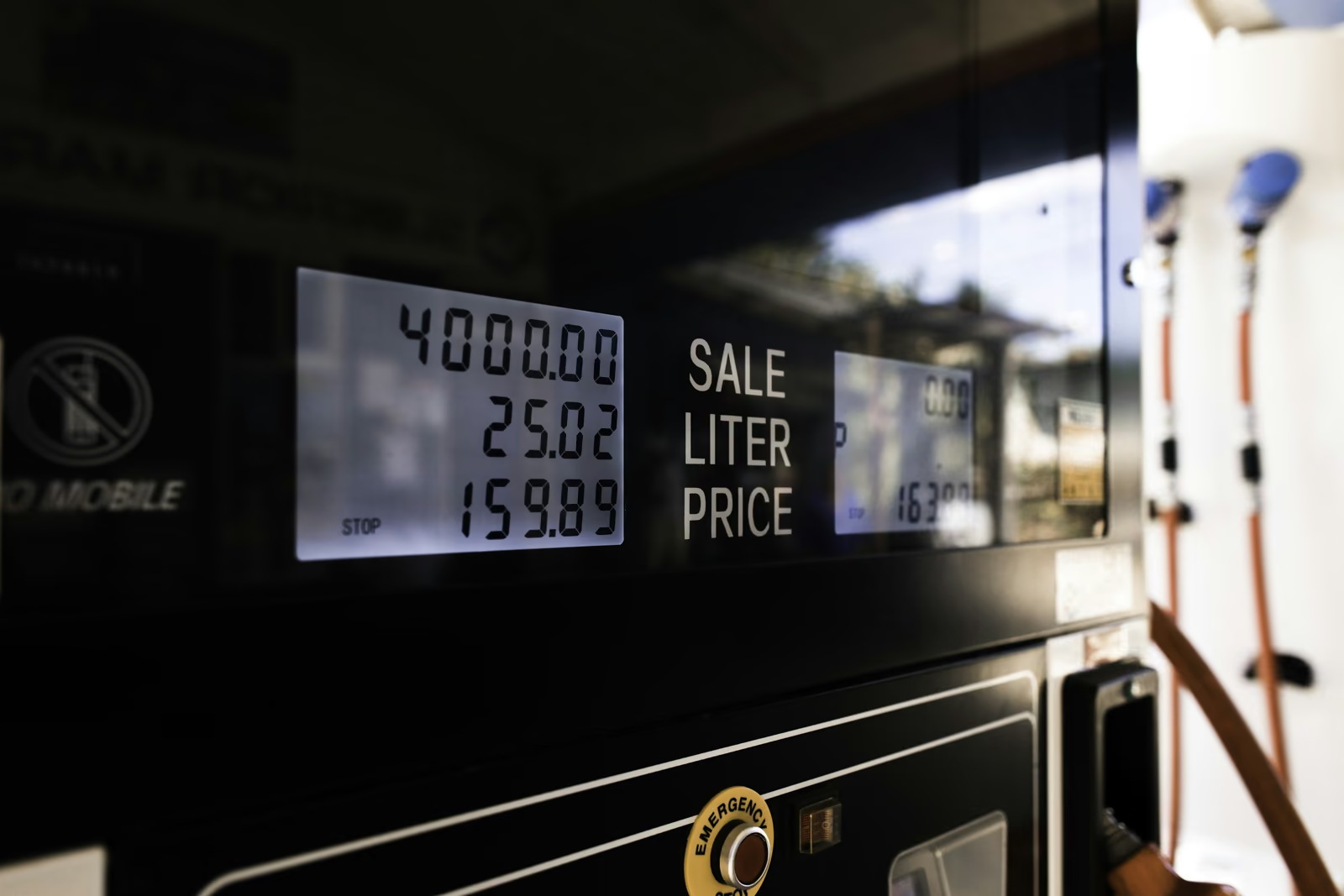
To start a gas station in 2027, you'll need a business plan, suitable location, financing, fuel supplier, permits, environmental approvals, and the right equipment. You'll also need a POS system that connects fuel pumps, convenience-store checkout, payments, inventory, and reporting. Planning your technology before opening day helps ensure your pumps, products, and employees are ready for the first customer.
Opening a gas station can be a rewarding business opportunity, but it takes more than purchasing property and installing fuel pumps.
Between fuel supply agreements, environmental regulations, equipment requirements, and everyday store operations, there are several important decisions to make before opening your doors.
This guide walks through the process of starting a gas station in 2027, including the costs to consider, permits you may need, and a practical POS checklist to help you prepare.
Step 1: Decide What Type of Gas Station You Want to Open
Before looking for property or equipment, determine what kind of gas station business you want to operate.
Your business model will affect your startup costs, financing options, supplier relationships, and technology requirements.
There are three common approaches.
Buy an Existing Gas Station
Purchasing an operating station may give you access to an established location, existing fuel equipment, and a customer base.
However, you'll need to evaluate the condition of the property, equipment, underground storage tanks, supplier agreements, and financial performance.
An existing station may also require technology upgrades or renovations before you can operate it the way you want.
Build a New Gas Station
Building from the ground up gives you more flexibility over the property's layout, number of pumps, convenience-store design, and equipment selection.
However, new construction typically involves more extensive planning, zoning approvals, environmental reviews, and upfront capital.
You'll also need to account for construction timelines before the business can begin generating revenue.
Operate a Branded or Independent Station
A branded gas station operates under an established fuel brand, while an unbranded station generally has greater flexibility in fuel sourcing and marketing.
Branded arrangements may provide advertising support, brand recognition, and established supplier relationships, but they can also involve contractual requirements.
Independent operators may have more flexibility but must establish their own supplier relationships and customer acquisition strategies.
Before making a decision, review the financial and operational requirements of each model.
Step 2: Research Your Market and Choose the Right Location
Location is one of the biggest factors influencing a gas station's performance.
A busy road doesn't automatically guarantee a profitable business. You need to understand who your customers are, how they travel, and what other fuel retailers are offering nearby.
When evaluating a potential location, consider:
- Average traffic volume and accessibility
- Nearby residential and commercial development
- Existing gas stations and fuel pricing
- Entry and exit points for vehicles
- Visibility from surrounding roads
- Space for fuel deliveries and customer parking
- Convenience-store and foodservice opportunities
- Local zoning and development restrictions
Consider whether the location could serve commuters, neighborhood residents, commercial drivers, or travelers.
These customer groups may have different fueling and purchasing habits.
Don't Skip Environmental Due Diligence
If you're purchasing an existing gas station, understanding the site's environmental history is especially important.
Underground fuel storage tanks can create significant liabilities if leaks or contamination have occurred.
Before purchasing, work with qualified environmental professionals to evaluate tank records, inspection history, potential contamination, and any outstanding cleanup obligations.
A Phase I Environmental Site Assessment is commonly used to identify potential environmental concerns. Additional investigation may be necessary depending on the findings.
Understanding these risks before committing to a property can help you avoid unexpected expenses later.
Step 3: Write Your Gas Station Business Plan
A business plan provides the foundation for your financing, operations, and growth strategy.
It should explain what your business will sell, who it will serve, how it will operate, and how you expect to generate revenue.
For a gas station, your plan should account for both fuel and convenience-store operations.
What to Include in Your Business Plan
- Business model: Existing station acquisition, new construction, branded, or independent operation
- Market research: Local demand, traffic patterns, competitors, and customer demographics
- Fuel operations: Supplier relationships, projected gallons sold, fuel pricing, and delivery requirements
- Convenience store: Product assortment, inventory, pricing, and additional services
- Startup costs: Property, construction, equipment, permits, technology, and initial inventory
- Operating expenses: Payroll, utilities, insurance, payment processing, maintenance, and software
- Marketing strategy: Signage, promotions, loyalty, local marketing, and customer retention
- Financial projections: Revenue assumptions, cash flow, operating expenses, and break-even analysis
When developing your revenue projections, don't assume every dollar of fuel sales represents profit.
Fuel revenue must cover wholesale costs, transportation, payment processing, and other operating expenses.
Convenience-store products and foodservice can provide additional revenue opportunities, making the in-store business an important part of your overall strategy.
Step 4: Calculate Your Gas Station Startup Costs
One of the most common questions aspiring owners ask is: How much does it cost to start a gas station?
The answer depends heavily on whether you're buying an existing operation or building a new location.
Property values, construction requirements, tank conditions, fuel equipment, and local regulations can create substantial differences between projects.
Rather than relying on a single national startup-cost estimate, build a budget around the actual requirements of your location.
Gas Station Startup Cost Checklist
- Property: Purchase price, lease deposits, closing costs, and site preparation
- Construction or renovations: Store construction, canopy, parking, signage, and utilities
- Fuel equipment: Dispensers, storage tanks, piping, controllers, and tank-monitoring systems
- POS and payments: Registers, payment terminals, scanners, networking, software, and installation
- Permits and inspections: Business licenses, fuel permits, environmental approvals, and inspections
- Initial fuel inventory: Fuel purchases and any required supplier deposits
- Convenience-store inventory: Beverages, snacks, tobacco, grocery products, and other merchandise
- Insurance: Property, liability, workers' compensation, and applicable environmental coverage
- Staffing: Recruiting, payroll, and employee training
- Working capital: Cash reserves for operating expenses, maintenance, and unexpected costs
How Can You Finance a Gas Station?
Potential financing options include conventional commercial loans, eligible SBA loan programs, private investors, and financing arrangements associated with acquiring an existing business.
SBA 7(a) and 504 loans may be worth exploring, depending on the business, property, and intended use of funds.
Before applying, prepare a detailed business plan, realistic financial projections, and documentation supporting your estimated costs.
It's also important to maintain sufficient working capital after opening.
Your business will still have expenses even during slower sales periods.
Step 5: Obtain the Required Permits and Licenses
Gas stations operate under requirements that go beyond those of a typical retail store.
The permits you'll need depend on your state, municipality, fuel storage configuration, and the products you plan to sell.
Common requirements may include:
- Business registration and applicable tax registrations
- Local zoning and land-use approvals
- Motor fuel retail licensing
- Underground storage tank registration
- Fire and safety inspections
- Building permits and certificates of occupancy
- Environmental and stormwater permits, when applicable
- Tobacco and alcohol licenses, if applicable
- Foodservice permits, if preparing or selling regulated food products
- Lottery retailer authorization, if offering lottery products
Understand Underground Storage Tank Requirements
Gasoline storage systems are subject to environmental regulations intended to prevent leaks and protect surrounding soil and groundwater.
Under applicable federal and state requirements, regulated underground storage tank systems generally must meet standards for leak detection, spill and overfill prevention, corrosion protection, and recordkeeping.
Owners and operators must also meet applicable financial responsibility requirements.
If you're acquiring an existing station, verify the condition and regulatory status of its tanks before assuming responsibility for the location.
Important: Licensing and environmental requirements vary by location. Contact your state environmental agency, local permitting authorities, and qualified legal or environmental professionals before opening.
Step 6: Secure a Fuel Supplier and Plan Your Store Inventory
Once you've identified your location and business model, you'll need reliable suppliers.
Choosing a Fuel Supplier
Your fuel supply agreement can influence pricing, delivery schedules, branding, and long-term operating flexibility.
When comparing suppliers, review:
- Wholesale fuel pricing and pricing formulas
- Minimum purchase commitments
- Delivery schedules and transportation costs
- Contract length and renewal terms
- Branding and equipment requirements
- Payment terms and available credit
- Responsibilities during fuel shortages or supply interruptions
Have an attorney familiar with fuel retail agreements review the contract before signing.
Planning Your Convenience Store Inventory
Your gas station's retail assortment should reflect the customers you expect to serve.
Common categories include packaged beverages, snacks, grocery essentials, automotive supplies, and other convenience products.
Depending on your licenses and business model, you may also offer lottery, tobacco, prepared food, or additional services.
Start with a manageable product assortment and adjust based on actual sales.
Your POS and inventory system should help you identify which products are selling, which need replenishment, and where inventory may be sitting too long.
Step 7: Choose Your Gas Station POS System Before Opening Day
Your POS system is one of the most important technology decisions you'll make when opening a gas station.
Unlike a standard retail register, a fuel POS system must support the connection between your forecourt equipment, payment processing, and in-store checkout.
Choosing your POS early helps you determine equipment compatibility, payment requirements, and installation needs before your opening date.
Don't wait until your pumps and store are fully installed to start evaluating POS providers.
The Complete Gas Station POS Checklist
Use this checklist when comparing systems and preparing your new location.
- Fuel pump integration: Does the POS support your dispenser and forecourt-controller configuration?
- Fuel prepayments: Can cashiers authorize pumps and process prepaid fuel purchases?
- Pay-at-the-pump: Can customers pay at compatible dispensers using supported payment methods?
- Payment processing: Are your indoor and outdoor payment devices compatible with the selected processor?
- EMV and security: Does the proposed configuration meet applicable payment and network requirements?
- Fleet cards: Can the system accept the fleet programs your target customers use?
- Fuel pricing: Can authorized employees manage fuel pricing accurately?
- In-store checkout: Can employees process fuel and merchandise purchases through one connected workflow?
- Inventory management: Can you track merchandise, manage pricing, and monitor stock levels?
- Lottery management: Does the system support your required lottery inventory and reconciliation workflows?
- Scan data: Can it support the manufacturer programs your store plans to participate in?
- Loyalty programs: Can you offer customer rewards and supported fuel promotions?
- Reporting: Can you review fuel transactions, retail sales, and daily performance?
- Employee permissions: Can you control access to sensitive register and management functions?
- Support: What assistance is available during installation and after opening?
Why Fuel Compatibility Matters
Not every POS system works with every fuel dispenser or controller.
Before purchasing, provide your prospective POS vendor with the equipment details for your location.
For an existing station, this may include your current dispenser manufacturer, controller model, payment terminals, and network configuration.
For new construction, coordinate with the POS provider and fuel equipment installer before finalizing hardware purchases.
Confirming these details early can help avoid expensive changes and installation delays.
Think Beyond the Register
A gas station POS should do more than handle individual transactions.
It should help you connect fuel activity, convenience-store sales, inventory, payments, and reporting.
That becomes particularly important as your business grows.
For example, a connected back office can help owners monitor store performance, review inventory, and manage pricing without relying on separate systems for every task.
How SuperSonic Supports New Gas Station Operators
SuperSonic brings supported fuel operations, convenience-store checkout, payments, inventory, and cloud back office management together through one connected platform.
Its fuel POS capabilities include pump authorizations, fuel prepayments, supported pay-at-the-pump transactions, and integrated reporting.
For the convenience store, SuperSonic also provides inventory management, lottery tracking, tobacco scan data reporting, loyalty, and employee management tools.
Built by store owners for store owners, SuperSonic is designed around the everyday challenges independent retailers face.
For a new gas station, that means the opportunity to begin operations with more connected tools instead of adding separate systems as challenges arise.
More visibility from day one. More control over everyday operations. More room to grow.
Equipment compatibility and available configurations should always be confirmed during site evaluation.
Step 8: Set Up Payments, Security, and Store Operations
Once you've selected your POS and fuel equipment, you'll need to prepare the rest of your operating environment.
Configure Payment Processing
Confirm that your payment setup supports the transaction types your business plans to accept.
This may include:
- Credit and debit cards
- Cash transactions
- Pay-at-the-pump payments
- Supported fleet cards
- EBT/SNAP for eligible in-store purchases
- Gift cards and loyalty rewards, if offered
Your payment processor and POS provider should explain any restrictions, equipment requirements, and applicable certifications.
Prepare Your Network and Security Systems
Fuel stations depend on reliable communication between pumps, registers, payment devices, and back office systems.
Work with your providers to configure the appropriate networking and security infrastructure.
You should also consider surveillance cameras, cash-handling procedures, employee access controls, and backup connectivity options.
Hire and Train Your Employees
Before opening, train employees on everyday transactions and procedures.
That includes processing fuel prepayments, handling refunds, checking identification for age-restricted products, accepting supported payment types, and reconciling cash drawers.
Employees should also understand what to do when a fuel pump, payment terminal, or register experiences an issue.
Clear procedures help your team respond consistently and keep the store running smoothly.
Step 9: Complete Your Opening-Day Checklist
Before welcoming your first customer, test your entire operation.
A gas station involves more interconnected systems than most retail businesses, so it's important to confirm that the forecourt and convenience store work together as intended.
Final Gas Station Opening Checklist
- Business approvals: Required licenses, permits, and inspections are complete.
- Fuel supply: Fuel deliveries are scheduled and supplier arrangements are active.
- Storage tanks: Required monitoring, safety systems, and documentation are in place.
- Fuel pumps: Dispensers have been tested and approved for operation as required.
- Indoor POS: Registers, scanners, and receipt printers are working.
- Fuel transactions: Pump authorizations and fuel prepayments have been tested.
- Pay-at-the-pump: Supported outdoor payment transactions have been validated.
- Payment processing: Applicable payment types have been tested successfully.
- Product inventory: Merchandise is entered with accurate UPCs, quantities, and pricing.
- Lottery: Licensing, equipment, and inventory procedures are ready, if offered.
- Age verification: Restricted-product prompts and employee procedures are configured.
- Reporting: Fuel and retail transactions appear correctly in the appropriate reports.
- Employees: Staff understand checkout, security, and escalation procedures.
- Support contacts: Vendor and emergency contact information is accessible.
Don't limit your testing to individual equipment.
Run realistic transactions from beginning to end.
For example, have an employee authorize a fuel pump, process a combined fuel and retail purchase, and verify that the transaction appears correctly in reporting.
Test the approved pay-at-the-pump workflow and reconcile the results.
These exercises can help identify problems before they affect paying customers.
Step 10: Focus on Growth After Opening
Opening day is only the beginning.
Once your gas station is operating, your focus shifts toward understanding customer demand, controlling expenses, and finding ways to improve performance.
Start by monitoring key areas of your business.
Fuel Sales and Pricing
Track fuel sales volume, pricing changes, and applicable margins.
Compare performance over time and evaluate how local competition affects demand.
Convenience-Store Performance
Pay attention to which products sell consistently, which generate strong margins, and which sit on shelves.
Use that information to refine your inventory and purchasing strategy.
Inventory Loss and Operational Costs
Monitor inventory discrepancies, transaction exceptions, labor expenses, and payment processing costs.
Identifying unnecessary expenses early can help protect profitability.
Customer Retention
Encourage repeat visits through reliable service, a clean store, competitive offerings, and relevant loyalty promotions.
Customers may initially stop for fuel, but a positive experience can give them reasons to return for additional purchases.
A connected POS and reporting system can help you evaluate these opportunities without spending hours collecting information from separate sources.
Frequently Asked Questions About Starting a Gas Station
How much does it cost to start a gas station in 2027?
Gas station startup costs vary substantially depending on whether you purchase an existing station, lease a location, or build a new facility. Major expenses can include real estate, construction, fuel tanks, dispensers, permits, POS equipment, initial inventory, insurance, and working capital. The most reliable approach is to obtain location-specific estimates and develop a detailed startup budget.
What licenses do I need to open a gas station?
Requirements vary by state and municipality but may include business registration, motor fuel retail licensing, fire and safety approvals, underground storage tank registration, environmental permits, and a certificate of occupancy. Additional licenses may be necessary for tobacco, alcohol, lottery, or foodservice operations.
Can I buy an existing gas station instead of building a new one?
Yes. Buying an existing station may provide an established location, operating equipment, and an existing customer base. However, buyers should evaluate financial performance, supplier agreements, equipment condition, environmental history, outstanding liabilities, and potential renovation costs before completing a purchase.
Do I need a special POS system for a gas station?
Yes, if you want your POS to manage fuel operations directly. A gas station POS must support compatible forecourt equipment and workflows such as pump authorization, fuel prepayments, and applicable pay-at-the-pump transactions. A standard retail POS may not provide these capabilities without specialized integrations.
When should I choose my gas station POS system?
Choose your POS during the equipment and operational planning stage, before opening day. Early selection gives you time to confirm dispenser and controller compatibility, configure payments, import inventory, train employees, and test transactions before customers arrive.
Is owning a gas station profitable?
A gas station can be profitable, but results depend on fuel volume, wholesale costs, retail margins, operating expenses, competition, and location. Convenience-store merchandise and foodservice can contribute significantly to profitability. Owners should evaluate both fuel and in-store financial performance rather than relying only on revenue from gasoline sales.