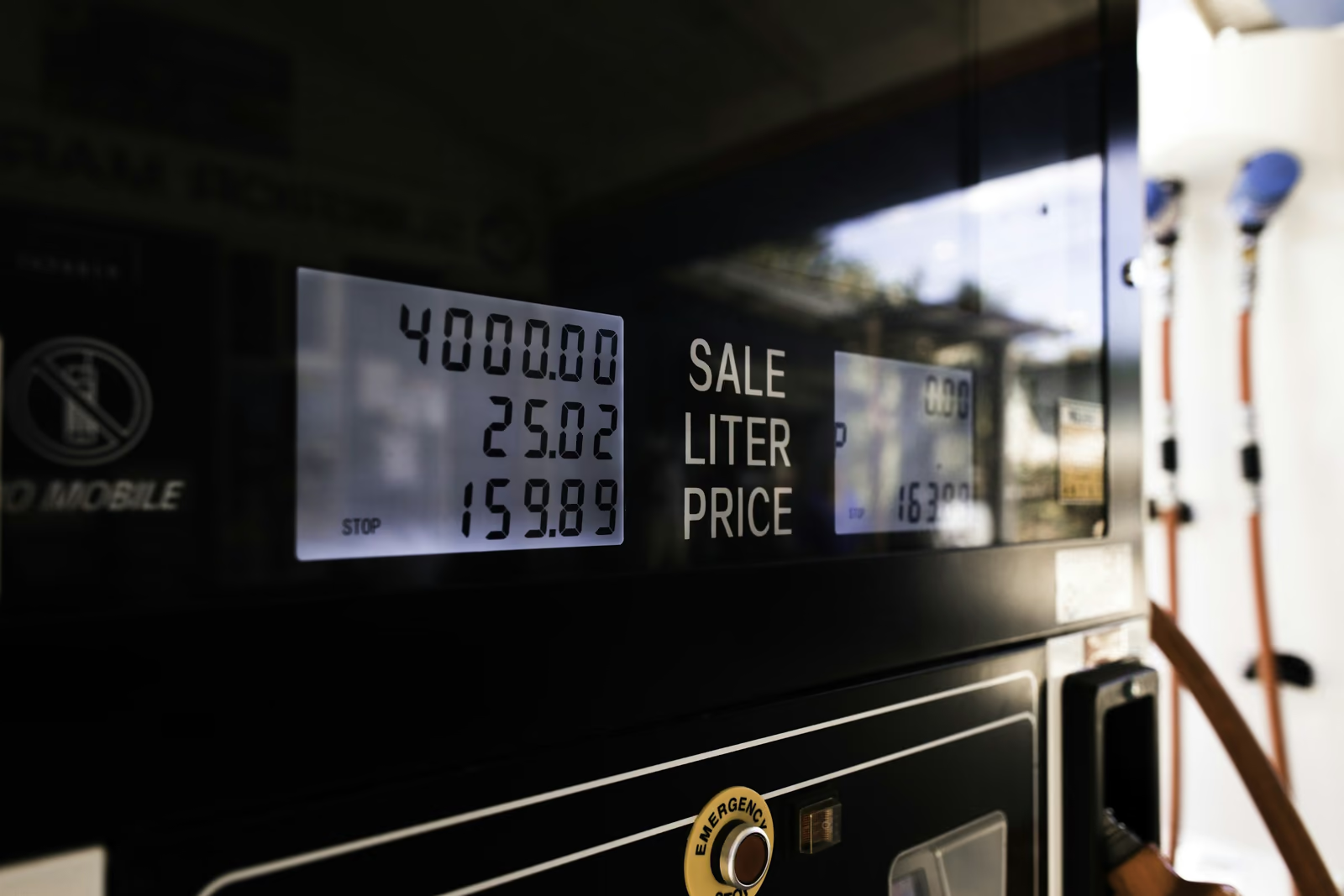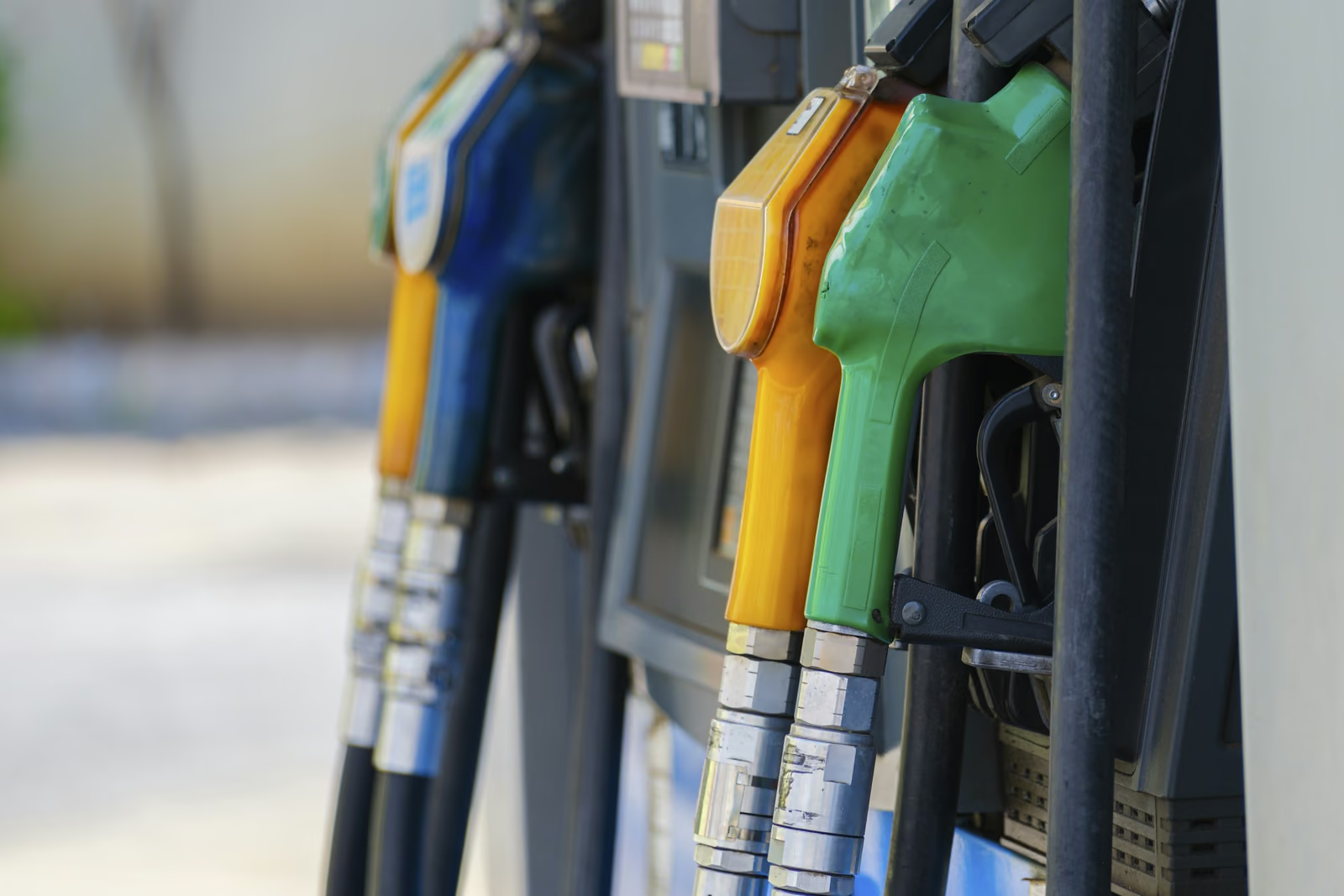
The best gas station POS runs fuel, the store and the back office on one screen, works with the pumps you already have (Verifone, Gilbarco), and handles lottery, scan data and loyalty without extra vendors or disconnected systems.
But not every gas station POS offers the same capabilities.
Whether you're opening a new station, replacing outdated equipment, or looking for a better way to manage your business, understanding what separates a standard retail POS from a fuel-specific system can help you make the right investment.
What Makes a Gas Station POS System Different?
A gas station operates differently from most retail businesses.
At the pumps, customers expect quick, reliable fueling and payment processing. Inside the convenience store, employees handle everything from fuel prepayments and snack purchases to lottery tickets and age-restricted products.
Behind the scenes, owners are managing fuel pricing, inventory, employee activity, vendor relationships, and daily reconciliation.
A standard retail POS may handle in-store transactions, but it isn't necessarily designed to communicate with fuel dispensers or manage forecourt activity.
That's where a dedicated fuel POS system comes in.
A modern gas station POS should bring these operations together, allowing owners to manage the entire property with less complexity.
Rather than maintaining separate systems for fuel, retail, and reporting, operators can work toward a more connected business.
7 Features to Look for in the Best Gas Station POS System
When comparing gas station POS systems in 2027, look beyond the register itself.
The right technology should support your everyday operations while giving you more visibility and control as your business grows.
1. Fuel Pump Integration and Pay-at-the-Pump Support
Fuel integration is one of the most important differences between a gas station POS and a general retail system.
A fuel POS should support compatible forecourt equipment and provide the functionality needed to manage pump authorizations, fuel prepayments, and payment activity.
Depending on the system and site configuration, that can include:
- Authorizing fuel pumps from the register
- Processing prepaid fuel transactions
- Supporting pay-at-the-pump payments
- Managing fuel pricing
- Monitoring pump activity
- Connecting fuel transactions with reporting
Before selecting a provider, confirm whether the system supports your existing dispensers, site controller, and payment configuration.
Gas stations using equipment from manufacturers such as Verifone or Gilbarco may have different integration requirements.
The goal is to find a solution that works with your station, not assume every system is compatible with every pump.
2. Fast, Connected Convenience Store Checkout
Fuel brings customers to your property, but your convenience store creates additional opportunities for revenue.
Your POS should make it easy to process both fuel and retail purchases without complicated workflows.
For example, a customer might walk inside to prepay for gas, purchase a drink, and grab a snack.
A connected POS can help employees process that transaction efficiently while keeping fuel and retail activity properly recorded.
Look for a system that supports barcode scanning, mixed fuel and merchandise transactions, multiple payment types, and everyday convenience-store operations.
The fewer unnecessary steps employees need to take, the easier it becomes to keep lines moving during busy periods.
3. Centralized Fuel and Retail Reporting
How easily can you see how your entire station is performing?
If fuel sales, merchandise transactions, and inventory reports live in separate systems, understanding your business may require time-consuming manual reconciliation.
A modern fuel POS should make this information easier to access.
Important reporting capabilities include:
- Fuel sales and transaction activity
- In-store sales performance
- Product and category reporting
- Fuel pricing and reconciliation
- Inventory movement
- Location-level performance
- Employee transaction activity
For multi-location operators, centralized reporting becomes even more valuable.
Instead of relying on separate reports from every station, owners can monitor activity and identify where attention is needed.
Better information helps you make better decisions about pricing, inventory, staffing, and day-to-day operations.
4. Inventory and Pricebook Management
Convenience stores manage hundreds or thousands of products, often with frequent price changes and deliveries.
Your POS should make it easier to keep track of what you have, what you're selling, and what needs to be reordered.
Look for inventory features that support barcode scanning, case-to-unit inventory, purchase orders, product pricing, vendor management, and stock counts.
For example, if your store purchases beverages by the case but sells them individually, your inventory system should account for both units without requiring duplicate manual tracking.
Connected inventory management can also help identify slow-moving products, prevent stockouts, and improve purchasing decisions.
5. Lottery Management and Tobacco Scan Data
For many independent gas stations, lottery and tobacco products are important parts of the convenience-store business.
But managing them can create additional administrative work.
Lottery inventory may require tracking books, activating packs, recording ticket sales, and reconciling activity at the end of each shift.
Tobacco scan data programs require accurate product information and qualifying transaction data to support manufacturer rebate programs.
A specialized convenience-store POS can simplify these processes through connected inventory and reporting tools.
When evaluating providers, ask whether these capabilities are built into the platform, require third-party integrations, or involve additional fees.
6. Loyalty Programs That Connect Fuel and Retail
A customer stopping for fuel doesn't always make a purchase inside.
For gas station owners, that creates an opportunity.
Loyalty programs can encourage repeat visits and give customers a reason to purchase additional products.
Depending on the system, supported promotions may include:
- Rewards for qualifying purchases
- Cents-per-gallon fuel discounts
- In-store promotional offers
- Customer rewards and points
- Multi-location loyalty programs
A connected loyalty program can help operators create promotions that link fuel purchases with convenience-store activity.
Instead of treating fuel and retail as separate customer experiences, the right technology can help you build relationships across the entire visit.
7. Reliable Support and Room to Grow
Gas stations often operate early mornings, late nights, weekends, and holidays.
When your POS experiences an issue, waiting until the next business day for help may not be practical.
Evaluate each provider's support hours, implementation process, training, and equipment maintenance arrangements.
You should also consider what happens as your business grows.
Can the system support additional registers or locations? Can you manage multiple stores from one back office? Will adding new services require replacing your existing platform?
The best gas station POS should work for the business you're running today while supporting what you want to accomplish tomorrow.
Best Gas Station POS Systems to Compare in 2027
Several POS platforms serve the fuel retail industry, but they offer different approaches to forecourt management, convenience-store operations, and reporting.
Here are five options worth evaluating.
This comparison reflects publicly documented capabilities as of October 2026. It is not an independent ranking or hands-on performance test. Features and compatibility vary by configuration.
SuperSonic POS
SuperSonic is designed for independent retailers that need more than basic payment processing.
Its unified platform connects supported fuel transactions with convenience-store checkout, inventory, payment processing, and cloud back office management.
For gas stations, SuperSonic combines fuel retail functionality with tools for everyday convenience-store operations, including lottery management, tobacco scan data reporting, and loyalty.
This approach is particularly relevant for owners who want to manage more of their operations without relying on multiple disconnected systems.
Verifone Commander
Verifone Commander is an established platform serving fuel and convenience retailers.
Its capabilities include forecourt control, fuel transaction management, and integration with supported POS and payment infrastructure.
Operators evaluating Commander should consider their existing equipment, deployment requirements, and the functionality they need beyond fuel transactions.
Gilbarco Passport
Gilbarco Passport, now offered through Invenco by GVR, is a fuel retail POS platform that connects convenience-store transactions with forecourt operations.
It supports fuel transactions, retail checkout, and integrations with additional store-management and customer-facing technologies.
For owners considering Passport, equipment compatibility and available integrations are important parts of the evaluation.
NCR Voyix
NCR Voyix offers technology for convenience and fuel retailers, including connected checkout, forecourt integrations, and operational reporting.
Its solutions also support businesses managing multiple locations and more complex retail environments.
The appropriate configuration depends on the size of the operation, required integrations, and implementation needs.
Petrosoft SmartPOS
Petrosoft SmartPOS is designed for convenience-store and specialty retail operations, with inventory, payments, and store-management capabilities.
Fuel functionality is available through supported forecourt-controller integrations, making controller compatibility an important consideration.
Petrosoft also offers CStoreOffice for inventory management, reporting, and back office operations.
How to Choose the Right POS for Your Gas Station
There's no single POS system that's automatically the best fit for every gas station.
Your existing equipment, store size, payment requirements, and operational priorities should guide the decision.
Before investing in a new system, work through these five steps.
Step 1: Review Your Existing Fuel Equipment
Identify your fuel dispensers, forecourt controller, payment terminals, and current POS system.
Ask prospective providers to confirm exactly which equipment they support and whether any components need upgrading.
Step 2: Make a List of Your Biggest Operational Challenges
Are checkout lines too long? Are you manually tracking lottery inventory? Is reporting taking too much time?
Start with the problems you want to solve.
A new POS should improve the workflows that matter most to your business.
Step 3: Compare Total Costs, Not Just Monthly Software Fees
Fuel POS costs can include hardware, installation, software subscriptions, payment processing, equipment upgrades, and additional services.
Request an itemized quote covering the complete solution.
A lower monthly subscription doesn't necessarily mean a lower total cost.
Step 4: Ask for a Demonstration Using Your Actual Workflows
During a demo, ask the provider to show how employees would process a fuel prepayment, complete a combined fuel and retail purchase, update inventory, and review daily reporting.
Seeing the system handle real scenarios is more useful than reviewing a long feature list.
Step 5: Understand Installation and Ongoing Support
Ask how your existing data will be transferred, how equipment compatibility will be verified, and what training employees will receive.
For fuel retailers, a well-planned installation is essential to keeping the store and forecourt operating reliably.
How SuperSonic Helps Gas Stations Get More From Every Operation
Running a gas station means balancing fuel operations, retail sales, inventory, employees, and customer expectations every day.
Your technology should help you manage those responsibilities without adding unnecessary complexity.
Built by store owners for store owners, SuperSonic brings supported fuel operations, convenience-store checkout, payments, and back office management together.
Through its connected platform, gas station operators can gain:
More Control: Manage supported pump activity, fuel transactions, in-store checkout, and operational settings through connected tools.
More Visibility: Access fuel and retail reporting, monitor inventory, and understand performance across locations.
More Opportunities: Use loyalty, scan data, and inventory tools to support repeat purchases, eligible rebate programs, and more informed business decisions.
More Support: Access 24/7/365 U.S.-based assistance from a team familiar with the challenges of operating retail businesses.
With in-house development focused on real merchant challenges, SuperSonic continues to build technology around the needs of the businesses it serves.
For independent gas station owners, that means a platform designed to support more than transactions.
It means getting more from the entire store.
Frequently Asked Questions About Gas Station POS Systems
What is the best POS system for gas stations in 2027?
The best gas station POS system connects supported fuel pumps, payment processing, convenience-store checkout, and reporting. SuperSonic, Verifone Commander, Gilbarco Passport, NCR Voyix, and Petrosoft are among the options worth evaluating. The best fit depends on equipment compatibility, operational needs, and total cost.
Can a gas station POS system integrate with existing fuel pumps?
Yes, some fuel POS systems can connect to existing dispensers and forecourt equipment. Compatibility depends on the dispenser manufacturer, controller, payment configuration, and provider. Before choosing a POS, confirm which equipment can remain and whether upgrades are required.
What is the difference between a gas station POS and a regular retail POS?
A gas station POS supports fuel-specific operations such as pump authorizations, fuel prepayments, and pay-at-the-pump transactions. A general retail POS primarily handles in-store sales, payments, and inventory and may not include the forecourt integrations required for fuel retail.
Can one POS system manage gas station and convenience-store sales?
Yes. A connected fuel POS can bring pump activity, indoor checkout, and reporting into one operational environment. Specialized systems may also include inventory, lottery tracking, age verification, loyalty, and other convenience-store management tools.
How much does a gas station POS system cost?
Costs vary depending on the number of registers, fuel equipment compatibility, payment processing, software subscriptions, installation, and integrations. Replacing only the indoor POS may have different requirements from upgrading the entire forecourt infrastructure. Request a site-specific quote to understand the total investment.
Do gas station POS systems support lottery and tobacco scan data?
Some specialized fuel and convenience-store POS systems offer lottery inventory management and tobacco scan data reporting. SuperSonic provides both capabilities as part of its connected retail platform. Feature availability, program eligibility, and additional fees should be confirmed with each provider.